Everything below is about comfort and equipment operation: how to set the cabin up so a session is pleasant, and how to avoid the small irritations that make a new owner use their sauna twice and then stop. Nothing here is advice about your body or your health. For anything in that territory, ask a qualified professional — a product site is not a source for it.
Start cooler and shorter than the dial allows
Infrared cabins typically offer a range from around 80°F up to roughly 150°F, and new owners often go straight to the top. A more pleasant first session sits in the middle of the range for a short duration, simply because you have no idea yet what you find comfortable and a too-hot first attempt usually ends early.
Most manufacturer manuals suggest a conservative starting point and a typical session length. Follow the manual that came with your cabin rather than a figure from the internet, and adjust from there over several sessions rather than in one.
Preheating is part of the plan: cabins state a warm-up time, commonly 15 to 25 minutes. Starting the cabin before you are ready to sit is the difference between a session and a wait.
Set the timer before you sit down
The control panel timer exists so you are not tracking time yourself, and using it is the simplest way to keep sessions to the length you chose while relaxed rather than the length you drift into. Set it before the door closes.
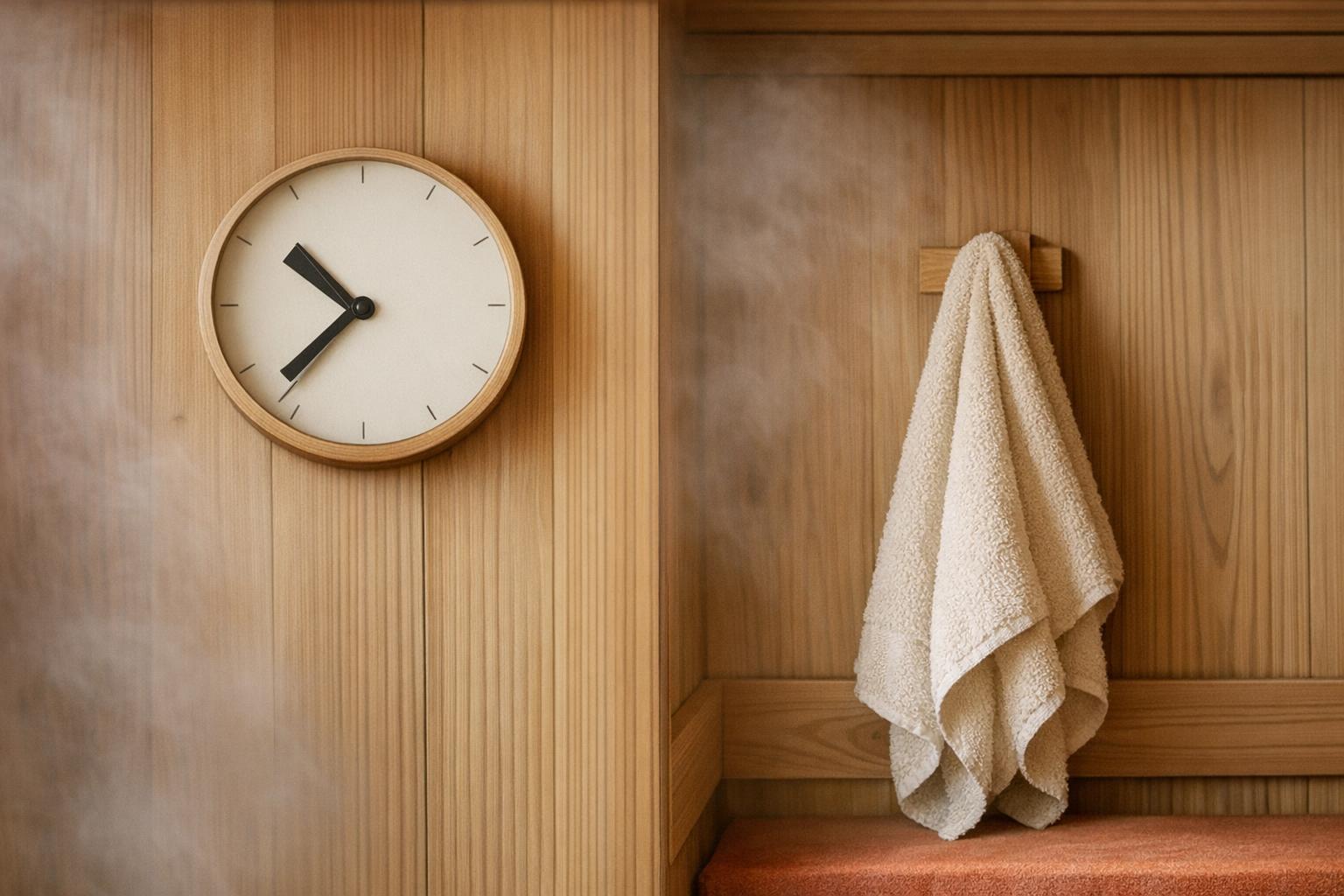
A separate visible timer or clock works equally well and is easier to read from the bench than a panel behind your shoulder. It is a two-dollar improvement to how a session feels.
Water, towels and what to take in
Take water in with you. A dry heated cabin is a thirsty place and getting up to fetch a glass ends the session you just preheated for. A bottle with a lid stays cleaner than an open glass and survives being knocked off a bench.
- A bench towel — protects the wood and is more comfortable than bare timber.
- A second towel to sit with or dry off.
- Water in a closed container.
- Something to do, or deliberately nothing — cabins with audio exist for a reason.
- Nothing electronic you would mind getting warm; phones dislike heated cabins.
Leave the door open after you finish so the interior dries, which is also step one of the maintenance routine.
Build a routine the cabin fits into
The main predictor of whether a home sauna gets used is whether it fits an existing habit. A cabin that warms up while you finish work, or while dinner cooks, becomes routine. A cabin that requires you to schedule it does not.
Short and frequent tends to beat long and occasional for the simple reason that it is easier to repeat. Two or three sessions a week at a comfortable setting is a habit; a single ninety-minute attempt is an anecdote.
If the cabin is not being used, the problem is almost always placement or preheat friction rather than the cabin itself — both covered in the placement guide. And if you are still choosing, the buying guide is where to start.
Small comfort adjustments that help
After a few sessions, most owners find the same handful of adjustments worth making. None of them cost much and all of them are about the experience of sitting in a warm wooden box rather than about the equipment.
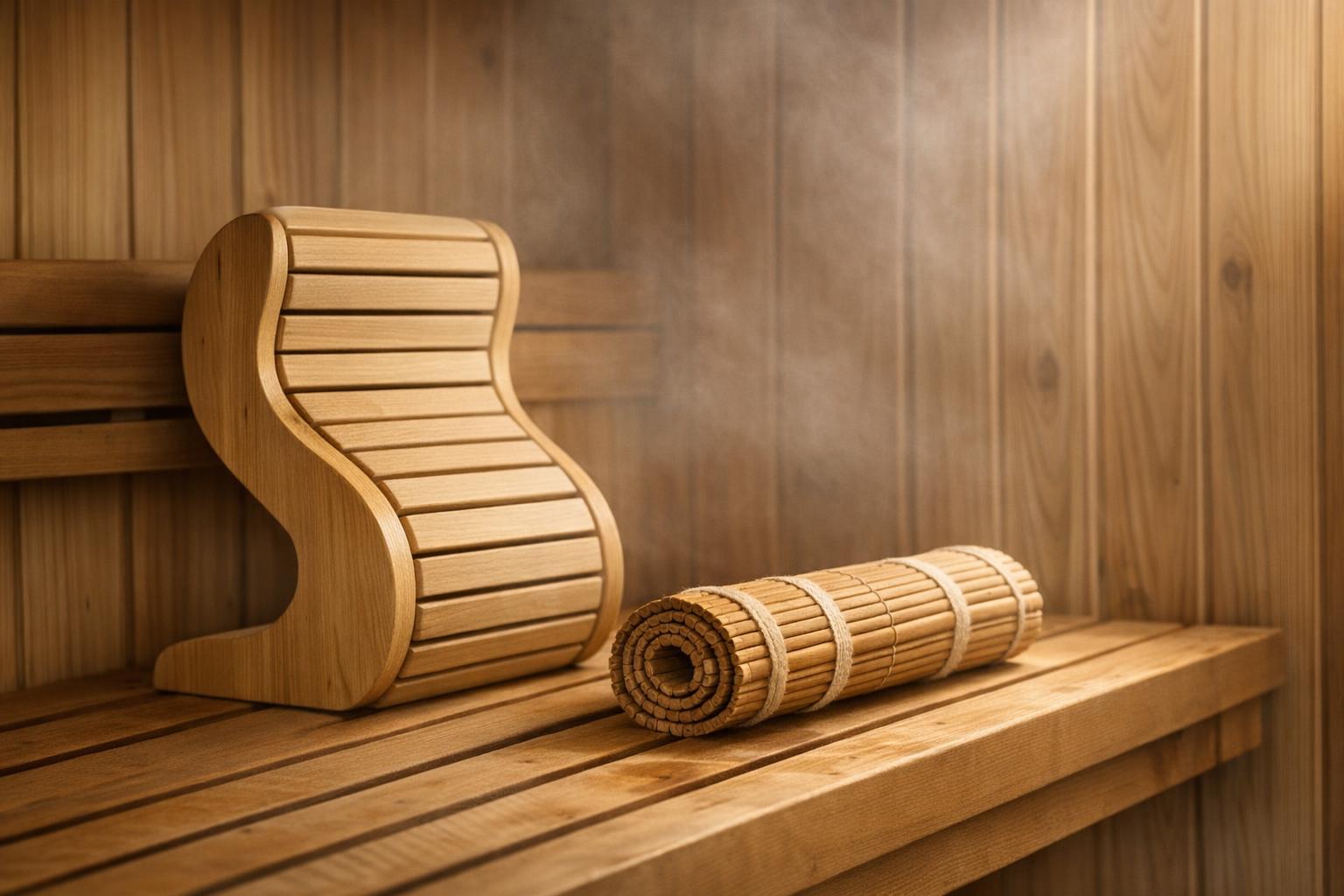
- Add a backrest. The single biggest change to how long a session stays comfortable.
- Preheat on a schedule. A cabin that is already warm when you want it removes the only real friction in the routine.
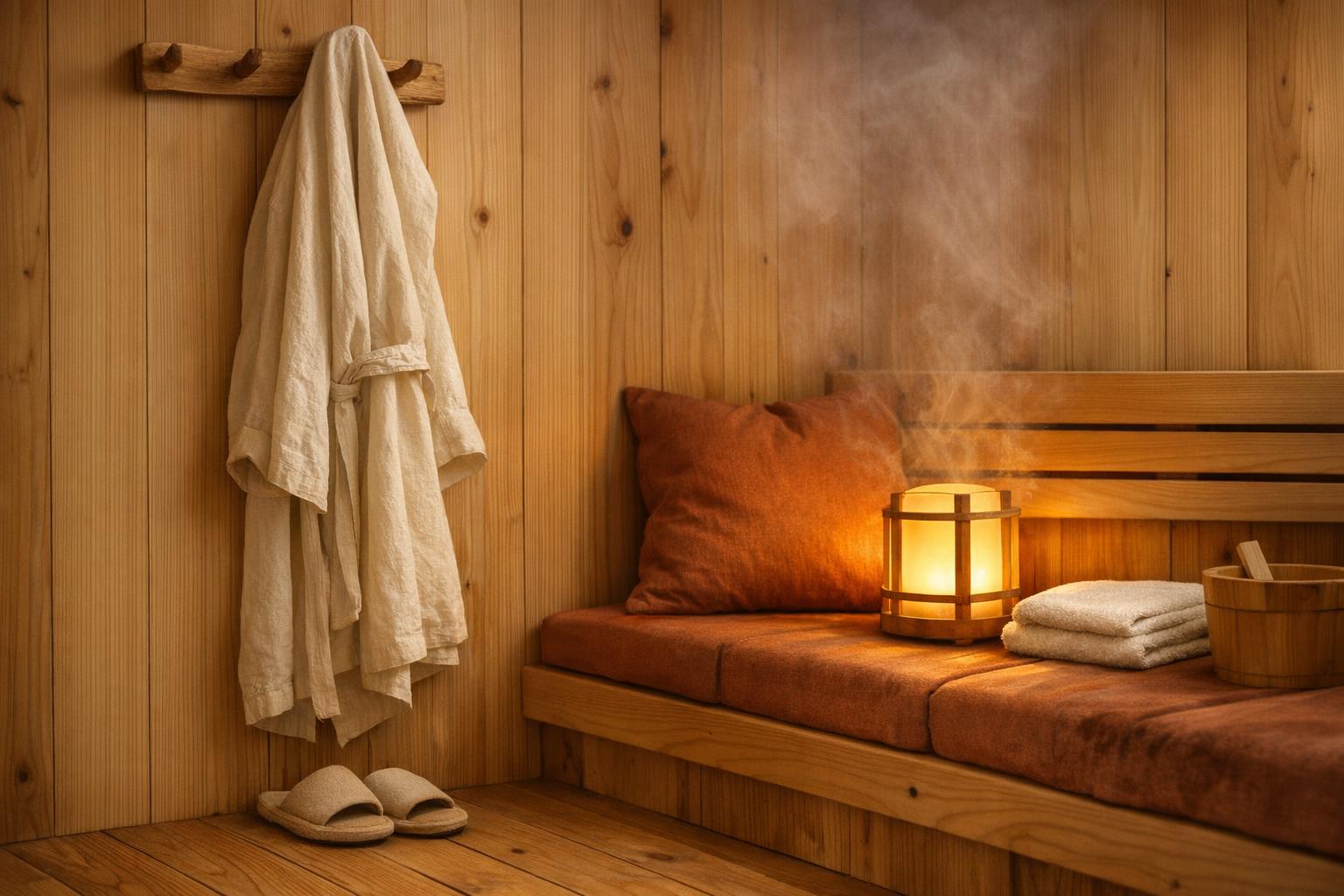
- Lower the light. Most cabins have a dimmable interior light or coloured lighting; the bright default is rarely the pleasant setting.
- Sort out the audio before you sit. Fumbling with a paired phone at 130°F is nobody’s idea of relaxing.
- Keep a towel permanently in the cabin. It protects the bench and removes a step from every session.
Two operational notes that are easy to miss: give the cabin its full stated preheat rather than getting in early, because a partly warmed cabin is the most common reason a first session feels underwhelming. And leave the door open afterwards until the interior is dry, which takes no effort and prevents most of the problems the maintenance guide exists to solve.
If any session stops being comfortable, end it — there is no schedule to keep and no benefit to enduring one. The accessories guide covers the items above in more detail, and the manufacturer manual remains the authority on how your specific cabin should be operated.